


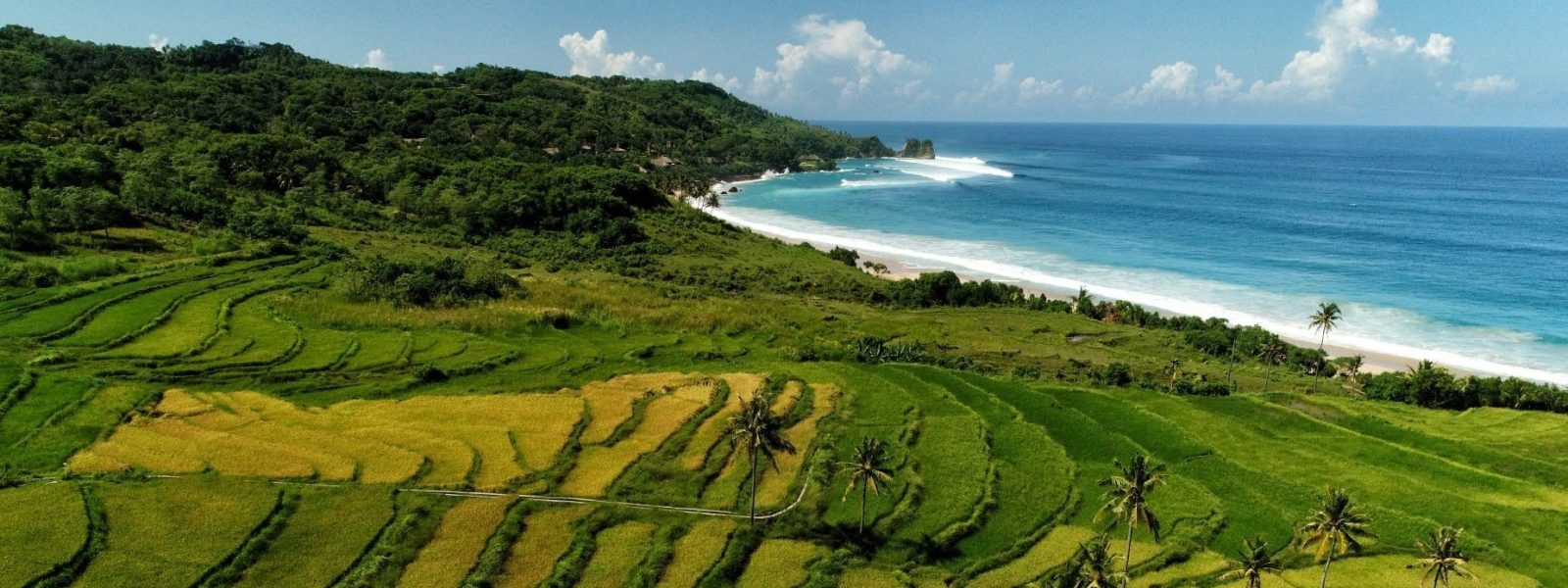
Known for its untamed beauty and rich cultural heritage, Sumba is a hidden gem in Indonesia. The island’s unique climate plays an important role in shaping its stunning landscapes, vibrant traditions, and the everyday life of its residents. To truly appreciate the natural wonders of Sumba, understanding its climate is essential.

General climate and regional climate in Sumba
Sumba has a tropical climate, with warm temperatures and high humidity throughout the year. The climate is characterized by two seasons: wet and dry season.
The climate varies slightly depending on the region:
- In the West of Sumba there is more rainfall compared to the east. This makes this region greener and better suited for agriculture.
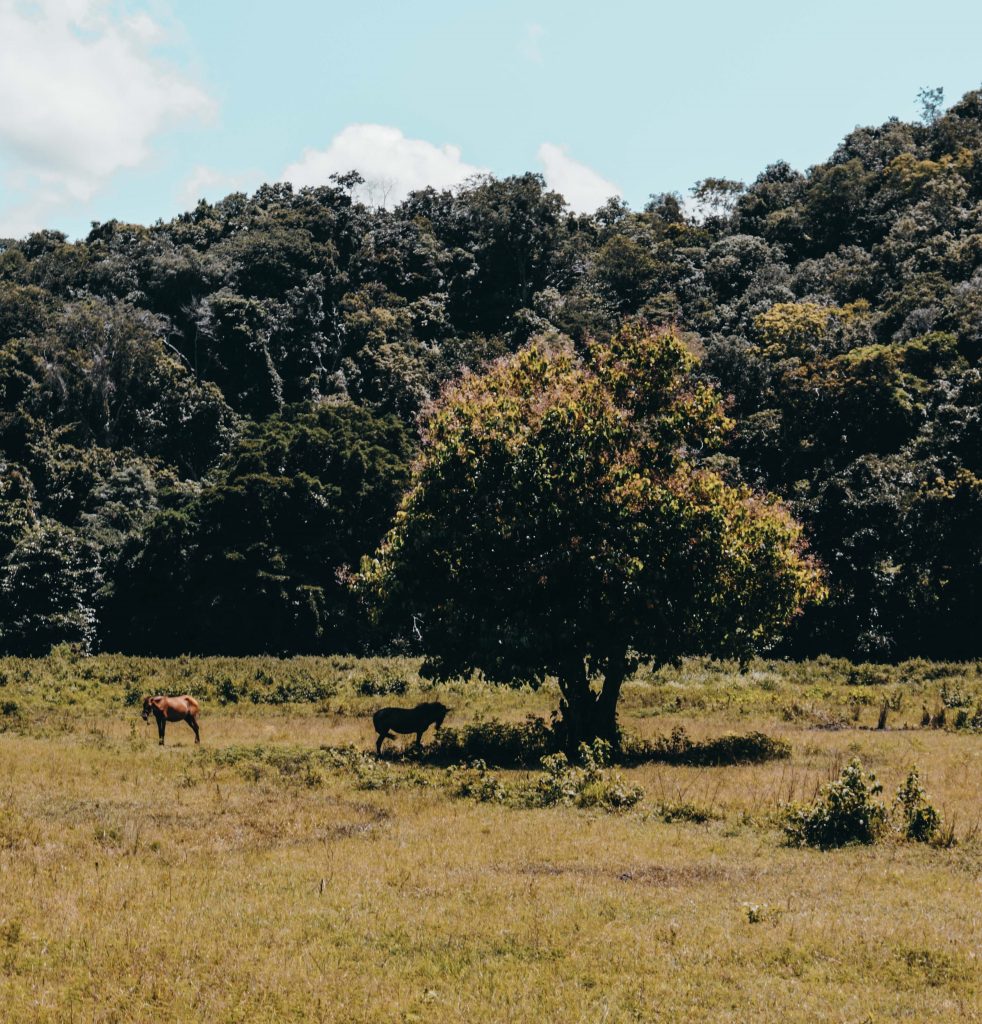
- In the East of Sumba it is drier and hotter, with vast stretches of savannah. This region showcases the rugged beauty for which Sumba is famous.
Dry Season (April to October)
As the name says, during dry season, you can expect hot and dry temperatures. The sky is clear and there is less rainfall. The temperatures typically range between 25°C to 33°C (77°F to 91°F), with lower humidity compared to the wet season. During dry season, the island’s grasslands turn golden brown, creating a striking contrast with the deep blue skies and ocean. This season is perfect for outdoor activities, such as exploring the savannas, relaxing on one of the most beautiful beaches and visiting traditional villages. During this time, it is also great to go trekking or go on a photography tour.
During the dry season you can visit unique festivals, such as the Pasola Festival and traditional ceremonies.
Rain Season (November to March)
During the rain season, there is more rainfall with occasional thunderstorms. The temperatures are still warm, ranging from 24°C to 31°C (75°F to 88°F), but humidity levels rise significantly. After dry season, where the landscape turned golden brown, the rain transforms the island’s terrain into a lush, green paradise, renewing the grasslands and rivers.
While it can be rainy and wet, this is the perfect periot to witness waterfalls at their fullest and experiencing the beauty of the countryside. During rainy season, it is time for agricultural activities, as many locals plant crops such as maize and rice. It is interesting to see the locals working on the land as they still use traditional working methods.
The Best Time to Travel to Sumba
The best time to travel to Sumba is from April to August in dry season. During this time, the sun shines and the heat is not too intense. In September it is often very hot and the end of September or in October, the rains starts.
What to Pack?
As it is warm the whole year around, It is a good idea to bring light clothes like linen or from other natural fibers. Bring some clothes to cover up for the sun and if you would like to visit the traditional villages it is respectful to cover up a bit. A sun hat can also be very useful and don’t forget your sunscreen. For the evenings, especially in dry season, you can bring a light sweatshirt. If you visit Sumba in rainy season, it is a useful addition to bring a raincoat.
Embracing Sumba’s Timeless Beauty
Sumba’s climate is a defining feature of its breathtaking landscapes and unique cultural traditions. If you choose to visit the East or the West of Sumba, you will have an unforgettable experience. Explore Sumba offers a wide range of unique tours. From seeing the beauty of nature, savannahs, waterfalls and the most beautiful beaches, to delving into the local life while visiting traditional villages. Sumba has a lot to offer, and every season adds its charm.
With the right preparation your journey to Sumba will not only be a travel experience but a memory that stays with you forever.